
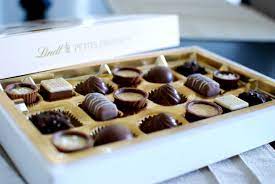
The best-known Swiss chocolate brands are Lindt, Cailler, Toblerone, Villars, Frey, Ovomaltine, Camille Bloch, Läderach, Minor and Favarger. Some of them, like Lindt and Toblerone, are global icons; others, like Cailler, Frey and Munz, are everyday favorites inside Switzerland that are rarely exported — which is exactly why expats miss them so much.
This guide ranks the 10 best Swiss chocolate brands, explains what makes each one special, and shows where to find their authentic Swiss-made products. Everything listed here ships worldwide directly from Switzerland via our Swiss chocolate shop. Updated June 2026.
Swiss chocolate brands at a glance
Switzerland’s most celebrated chocolate brands — Lindt, Cailler, Toblerone, Villars and Frey — are all still produced in Switzerland, and several of their Swiss-made recipes differ from the export versions sold in other countries.
| Brand | Founded | Known for | Signature product |
|---|---|---|---|
| Lindt | 1845 | Invention of conching, ultra-smooth texture | Lindor, Excellence, Cresta |
| Cailler | 1819 | Oldest Swiss brand, condensed Alpine milk | Branches, Frigor |
| Toblerone | 1908 | Triangular bar, honey-almond nougat | Toblerone Milk |
| Villars | 1901 | Fribourg milk chocolate tradition | Swiss Milk bars |
| Frey | 1887 | Switzerland’s supermarket favorite (Migros) | Napolitains, tablets |
| Ovomaltine | 1904 | Malt chocolate, the Ovo crunch | Ovomaltine Crunchy |
| Camille Bloch | 1929 | Praline and hazelnut specialties | Ragusa, Torino |
| Läderach | 1962 | Fresh chocolate, FrischSchoggi slabs | FrischSchoggi |
| Minor (Maestrani) | 1852 | Classic praline sticks | Minor Classic |
| Favarger | 1826 | Geneva tradition, family-run | Avélines, Nougalines |
Top 10 swiss chocolate brands
1. Lindt
Founded in Zurich in 1845, Lindt is the Swiss brand that taught the world what smooth chocolate means. The turning point came in 1879, when Rodolphe Lindt invented conching in his Berne factory — a slow rolling process that transforms gritty chocolate paste into the melting texture Lindt is still famous for. Every premium chocolate maker today uses some version of his technique.
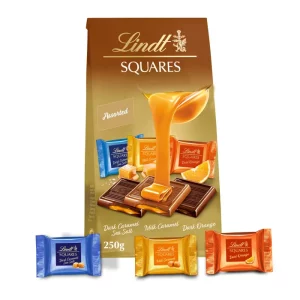
Lindt & Sprüngli sources cocoa from origins such as Ghana, Ecuador and Madagascar, and its Master Chocolatiers remain the benchmark for consistency. Worth knowing: the Lindt sold in Switzerland includes Swiss-made specialties like Cresta Classic and Lindt Squares that rarely appear on shelves abroad.
Why it stands out: the global benchmark for smooth milk chocolate — and the inventor of the process behind it.
2. Cailler
Founded in 1819 by François-Louis Cailler, Cailler is the oldest Swiss chocolate brand still in production — and for many Swiss, simply the taste of home. Since 1898 it has been made in the village of Broc, in the Gruyère region, where the factory still produces every bar today.
What makes Cailler different is the milk: it is one of the few chocolate makers in the world that uses lightly condensed fresh Alpine milk from the Broc region instead of milk powder, which gives Cailler its unmistakably creamy texture. Outside Switzerland it is genuinely hard to find — Cailler classics like Branches and Frigor are almost never exported.
Why it stands out: Switzerland’s oldest chocolate brand, and the one expats ask for first.

3. Toblerone
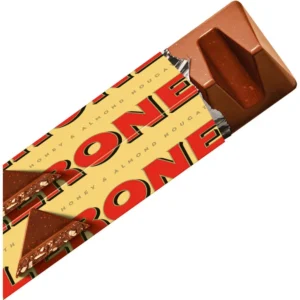
Toblerone is one of the most famous Swiss chocolates in the world. Theodor Tobler could hardly have dreamed of this when he created the triangular bar in 1908 with his cousin Emil Baumann, combining milk chocolate with honey-almond nougat — a recipe that has barely changed since.
Few chocolates have become so synonymous with “Swiss quality chocolate”. Whether in Tokyo, Rio, New York, London or Berlin, the triangular peaks — inspired by the Matterhorn according to popular legend — are recognized instantly. From the classic milk bar to the giant formats, Toblerone remains the definitive Swiss souvenir.
Why it stands out: the most recognizable chocolate shape on earth.
4. Villars
Villars has been making chocolate in Fribourg since 1901, in the heart of one of Switzerland’s best dairy regions. The rich pastures around Fribourg supply the exceptional milk that gives Villars chocolate its remarkable smoothness and sought-after taste.
At the Villars factory, each batch of cocoa beans is roasted to extract its distinctive aromas, then refined and slowly conched for a rich flavour and delicate finish. The result is a quieter kind of icon: less marketing than the global brands, and a milk chocolate that many Swiss connoisseurs rank among the country’s finest.
Why it stands out: Fribourg milk chocolate the traditional way, still underrated abroad.

5. Frey
Founded in 1887 by brothers Robert and Max Frey, Chocolat Frey is the chocolate most Swiss people actually eat every week: it is the house brand of Migros, Switzerland’s largest retailer, and a fixture of Swiss childhoods for generations.
Because Frey is sold almost exclusively through Migros, it is nearly impossible to find outside Switzerland — no exports, no international shelf space. That scarcity has turned Frey napolitains and tablets into one of the products Swiss expats order most often.
Why it stands out: Switzerland’s everyday chocolate — and one of the hardest to get abroad.

6. Ovomaltine
Ovomaltine began in 1904 as a malt-based strengthening drink developed by the Bernese pharmacist Dr. Albert Wander — and grew into a breakfast institution in over 100 countries. In Switzerland, “Ovo” is a friend for life, passed from generation to generation.
The chocolate line is where the brand shines today: the crunchy malt pieces in Ovomaltine Crunchy bars and spreads have a texture no other Swiss chocolate offers. The Swiss-made versions remain distinct from the international ones.
Why it stands out: the only Swiss classic built on malt crunch instead of pure cocoa.

7. Camille Bloch
Camille Bloch, founded in 1929 and based in Courtelary in the Bernese Jura, is the maker of two of Switzerland’s best-loved specialties: Ragusa and Torino, enjoyed by generations of Swiss chocolate connoisseurs.
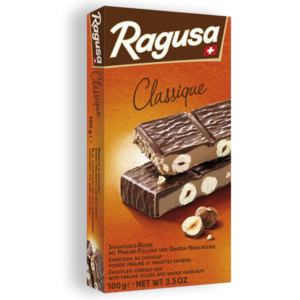
Ragusa — created in 1942 — keeps its unique character: a perfect praline filling with whole crunchy hazelnuts, a typically Swiss chocolate with a kooky edge. Torino adds a softer praline experience. The CHEZ Camille Bloch visitor center at the Courtelary factory is worth the detour if you are ever in the Jura.
Why it stands out: Ragusa — a praline-and-hazelnut formula no one has matched since 1942.
8. Läderach
Läderach, founded in 1962 in the canton of Glarus, built its reputation on a simple idea: chocolate should be fresh. Its signature FrischSchoggi — thick, hand-broken slabs loaded with nuts and fruit — made the brand famous far beyond Switzerland.
Ingredients are selected with care and the company follows its chocolate from the cocoa farm to the counter, with a freshness-first approach that sets it apart from shelf-stable industrial bars. Among premium Swiss chocolatiers with international reach, Läderach is the name to know.
Why it stands out: fresh chocolate as a philosophy — FrischSchoggi has no real imitators.
9. Minor
Minor is the praline-stick specialty of Maestrani, whose story begins with chocolate pioneer Aquilino Maestrani in 1852. What started as a pioneer’s workshop is now a traditional Swiss family business with a modern chocolate factory in Flawil.
The Minor Classic stick — fine praline wrapped in milk chocolate — has been a kiosk staple for decades: small, affordable and instantly nostalgic for anyone who grew up in Switzerland.
Why it stands out: the little praline stick every Swiss kiosk has sold for generations.

10. Favarger
Favarger’s story began in Geneva in 1826 — with a watchmaker who married a chocolate maker’s daughter and learned the chocolatier’s trade from his father-in-law. Seven generations later, Favarger remains one of the last family-run historic chocolate houses in Switzerland.
Its Avélines and Nougalines pralines carry a Geneva tradition that predates almost every other name on this list, made with the same values of loyalty to craft and appreciation for tradition that built the house.
Why it stands out: two centuries of Geneva chocolate heritage, still in family hands.
What is the best chocolate in Switzerland?
There is no single “best chocolate in Switzerland” — locals pick by style: Cailler for creamy milk chocolate, Lindt Excellence or Villars for dark, Ragusa for praline, and Läderach for fresh specialties.
If you want shortcuts rather than a debate, these are the picks Swiss buyers tend to agree on:
- Best milk chocolate — Cailler, thanks to the condensed Alpine milk recipe.
- Best swiss dark chocolate — Lindt Excellence for intensity, Villars for a softer, rounder dark.
- Best praline bar — Ragusa by Camille Bloch, unchanged since 1942.
- Best for gifts — Läderach FrischSchoggi or a Cailler Femina box.
- Best everyday bar — Frey, the Migros classic the Swiss actually buy most often.
How to recognize authentic Swiss chocolate
Authentic Swiss chocolate is identified by where it is produced, not by Alpine imagery on the wrapper: look for “Swiss made”, “Produced in Switzerland” or a Swiss production address on the label.
Three practical checks before you buy:
- Production origin — “Swiss recipe” or “Swiss style” is not the same as made in Switzerland. The label should state Swiss production.
- The recipe version — brands like Toblerone, Lindt and Ovomaltine often sell different formulations in different markets. The Swiss retail version is the original.
- Availability — if you can buy it in any supermarket worldwide, it is the export line. Cailler, Frey, Munz and Minor rarely leave Switzerland.
Where to buy Swiss chocolate online
Most Swiss supermarket chocolate — Cailler, Frey, Munz, Camille Bloch — is rarely exported, so ordering from a shop that ships directly from Switzerland is often the only way to get the original products abroad.
Swissfood.store stocks all ten brands in this guide — the actual Swiss retail versions, shipped worldwide from Switzerland in original packaging. Browse the full Swiss chocolate range or explore by brand from our brand directory.
FAQ — Swiss chocolate brands
What is the most famous Swiss chocolate brand?
Globally, Lindt and Toblerone are the most recognized Swiss chocolate brands. Inside Switzerland, everyday favorites like Cailler and Frey are at least as beloved, even though they are rarely sold abroad.
Why is Swiss chocolate considered the best in the world?
Switzerland invented key techniques like conching (Rodolphe Lindt, 1879) and milk chocolate refinement, and Swiss producers typically combine high-quality Alpine milk with strict production standards. The result is the smooth, creamy style most people associate with premium chocolate.
Which Swiss chocolate can’t you buy outside Switzerland?
Cailler, Frey, Munz and Minor are produced mainly for the Swiss market and rarely appear in foreign stores. Specialties like Cailler Branches or Frey napolitains usually have to be ordered from a shop that ships from Switzerland.
What is the oldest Swiss chocolate brand?
Cailler, founded in 1819 by François-Louis Cailler, is the oldest Swiss chocolate brand still in production. Favarger (1826) and Maestrani (1852) follow close behind.