
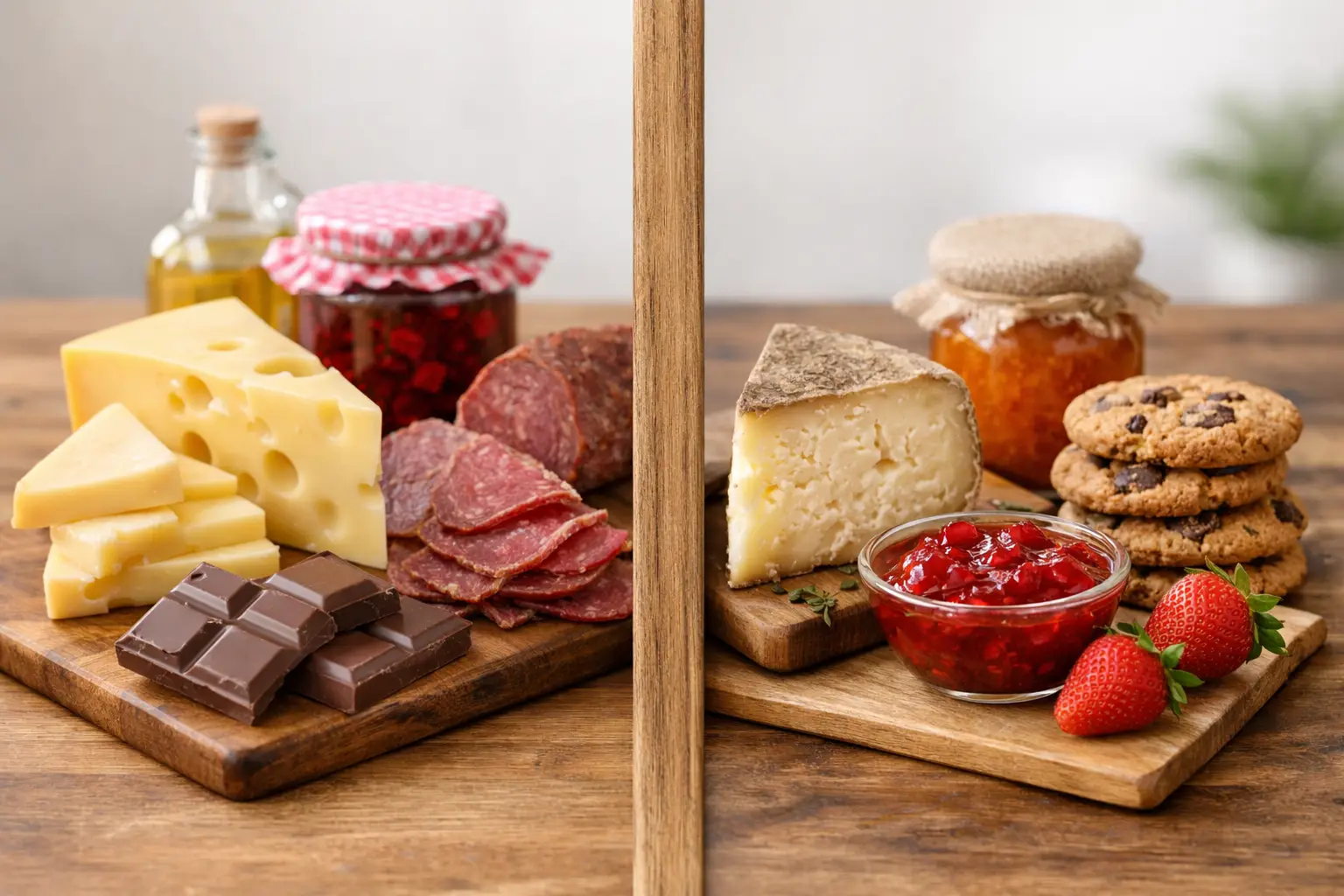
A bar labeled “Swiss-style” can look convincing on a local supermarket shelf. The wrapper may feature mountains, a cross, or a familiar alpine color palette. Yet Swiss pantry foods versus local substitutes is rarely a question of packaging alone. For many people who know Switzerland through home, travel, family, or favorite traditions, the difference is in the recipe, the brand, and the particular taste they remember.
A local alternative can be useful when convenience matters most. But when the goal is to enjoy a recognizable Swiss product, prepare a familiar dish, or give a gift that feels genuinely connected to Switzerland, the original packaged item often earns its place in the cart.
What makes a Swiss pantry food genuinely Swiss?
Authenticity starts with origin. A product made and packaged in Switzerland reflects the manufacturer’s own recipe, ingredient sourcing choices, production standards, and brand history. That does not automatically mean every Swiss product is better than every alternative. Taste is personal, and a substitute can be enjoyable in its own right. It does mean that the experience is not interchangeable.
Consider chocolate. A locally made milk chocolate bar may be smooth, creamy, and perfectly satisfying. A Swiss-made bar from a brand you recognize may have a different cocoa profile, milk balance, texture, portion format, or filling. If you are buying it because it was the chocolate in a Swiss train station, a family kitchen, or a holiday parcel, those details are the point.
The same principle applies to biscuits, candies, spreads, spice blends, packaged fondue, and rösti. A substitute may match the broad category. It cannot necessarily reproduce the original manufacturer’s flavor, format, or place in everyday Swiss food culture.
Swiss pantry foods versus local substitutes: where the difference shows
The most useful comparison is not “imported equals good, local equals bad.” It is about identifying what you expect from the purchase. Four factors usually make the distinction clear.
Recipe and flavor profile
Local substitutes are often designed for local preferences, local ingredient availability, and a target price point. That can lead to a different sweetness level in chocolate, a different seasoning balance in a soup or sauce mix, or a different texture in potato products. Even products with similar names can deliver noticeably different results once prepared.
For Swiss expatriates, these differences can be immediate. The flavor of a familiar herb blend or the crunch of a particular biscuit is often tied to memory. For shoppers who are simply curious about Swiss food, authentic products offer a more direct way to taste what Swiss households and travelers actually buy.
Original brands and recognizable formats
Some purchases are about a brand as much as a category. A generic filled chocolate, crunchy biscuit, or rösti mix may be easy to find nearby. It is not the same as receiving the Swiss brand you intended to buy.
Original formats matter, too. Individual snack portions, classic bar sizes, distinctive gift boxes, and pantry packs make products practical for sharing, stocking a desk drawer, or sending as part of a thoughtful gift. These small details are easy to overlook until you are trying to recreate a familiar moment abroad.
Ingredients and labels
Comparing labels is worthwhile, especially for shoppers with dietary preferences, allergies, or specific ingredient expectations. Similar products may use different oils, dairy ingredients, sweeteners, flavorings, nuts, or cereal components. Product formulations can also change over time, so the package label remains the best reference for the item you are considering.
Authentic Swiss products are not a shortcut around reading ingredients. They are simply the original product, with its own declared composition and preparation instructions. That distinction gives buyers a clearer basis for choosing.
The experience you are trying to recreate
A substitute works best when you want a broadly similar snack or cooking ingredient. The original is usually the better choice when the goal is a specific Swiss experience.
That may mean making a comforting plate of rösti with the brand you remember, serving packaged fondue for a Swiss-themed evening, adding a familiar seasoning to a home-cooked meal, or filling a gift box with chocolates and sweets that genuinely came from Switzerland. In these moments, “close enough” can feel less satisfying than expected.
When a local substitute makes sense
There is no need to import every pantry item. A local substitute can be the sensible choice for everyday basics, spontaneous cravings, or recipes where a particular brand will not noticeably affect the final result. If you need a simple chocolate baking ingredient or a general-purpose spice, shopping locally may be faster and more economical.
It can also be a good choice when you are experimenting. Not everyone needs a full Swiss pantry on their first purchase. Trying one authentic chocolate bar, biscuit variety, or seasoning first can help you decide whether the flavor and format suit your household.
The key is to buy local substitutes for what they are, rather than expecting them to be exact copies. A good local product deserves to stand on its own. It just may not deliver the familiar Swiss taste, brand identity, or gift value you had in mind.
When ordering authentic Swiss products is worth it
Authentic Swiss pantry foods tend to be most worthwhile when specificity matters. That is especially true for people living outside Switzerland who miss products that are difficult to find locally, as well as travelers looking to revisit a favorite discovery.
They are also a strong choice for gifting. A carefully chosen selection of Swiss chocolate, biscuits, candy, spreads, and cooking staples has a clear sense of place. It feels more considered than a generic “Swiss-inspired” assortment because the products have Swiss provenance rather than only Swiss imagery.
For home cooks, original products can matter when the packaged item is central to the dish. Rösti, fondue, and distinctive seasonings are not merely ingredients in these cases. They shape the expected flavor and result. Paying more for the authentic item may make sense if it saves you from trial and error with several alternatives.
Ordering a small, focused assortment is often more practical than trying to replace every local grocery purchase. Choose items that are hard to source, personally meaningful, or especially suitable for sharing. This approach keeps the purchase intentional and gives each product a real reason to be there.
How to shop with confidence from abroad
When ordering Swiss packaged foods internationally, start with products that travel well and fit your routine. Shelf-stable chocolates, biscuits, candy, spreads, seasoning blends, packaged cooking products, and pantry favorites are generally easier to plan around than items intended for immediate consumption.
Read the product description carefully for pack size, ingredients, and preparation guidance. This helps avoid a common disappointment: ordering a product based on a memory of the category, then discovering it is a different format than expected. If you are choosing a gift, think about the recipient’s preferences as well as the visual appeal of the packaging.
Shipping choice matters, particularly when you are ordering for an occasion. Select the service level that suits your timeline and destination, while allowing sensible time for international transit and any destination-specific processing. Ordering ahead is the calmer option for birthdays, holidays, and care packages.
Swissfood.store focuses on consumer-ready Swiss packaged foods selected for international customers, making it easier to find authentic products without sorting through broad marketplaces and uncertain listings. For buyers abroad, that curated approach can be more valuable than an endless catalog: it centers the Swiss products people actively seek.
Build a pantry around the products you will truly use
The best Swiss pantry is personal. One household may want familiar milk chocolate and biscuits for coffee breaks. Another may prioritize rösti, fondue, and seasonings for occasional Swiss dinners. A gift buyer may prefer a mix of premium chocolate, candy, and distinctive packaged specialties that look as memorable as they taste.
Start with one or two products that have a clear purpose, then add variety gradually. That gives you room to compare authentic Swiss items with what is available locally without turning the decision into an all-or-nothing choice. The right purchase is the one that brings you closer to the flavor, tradition, or gift experience you were actually looking for.