
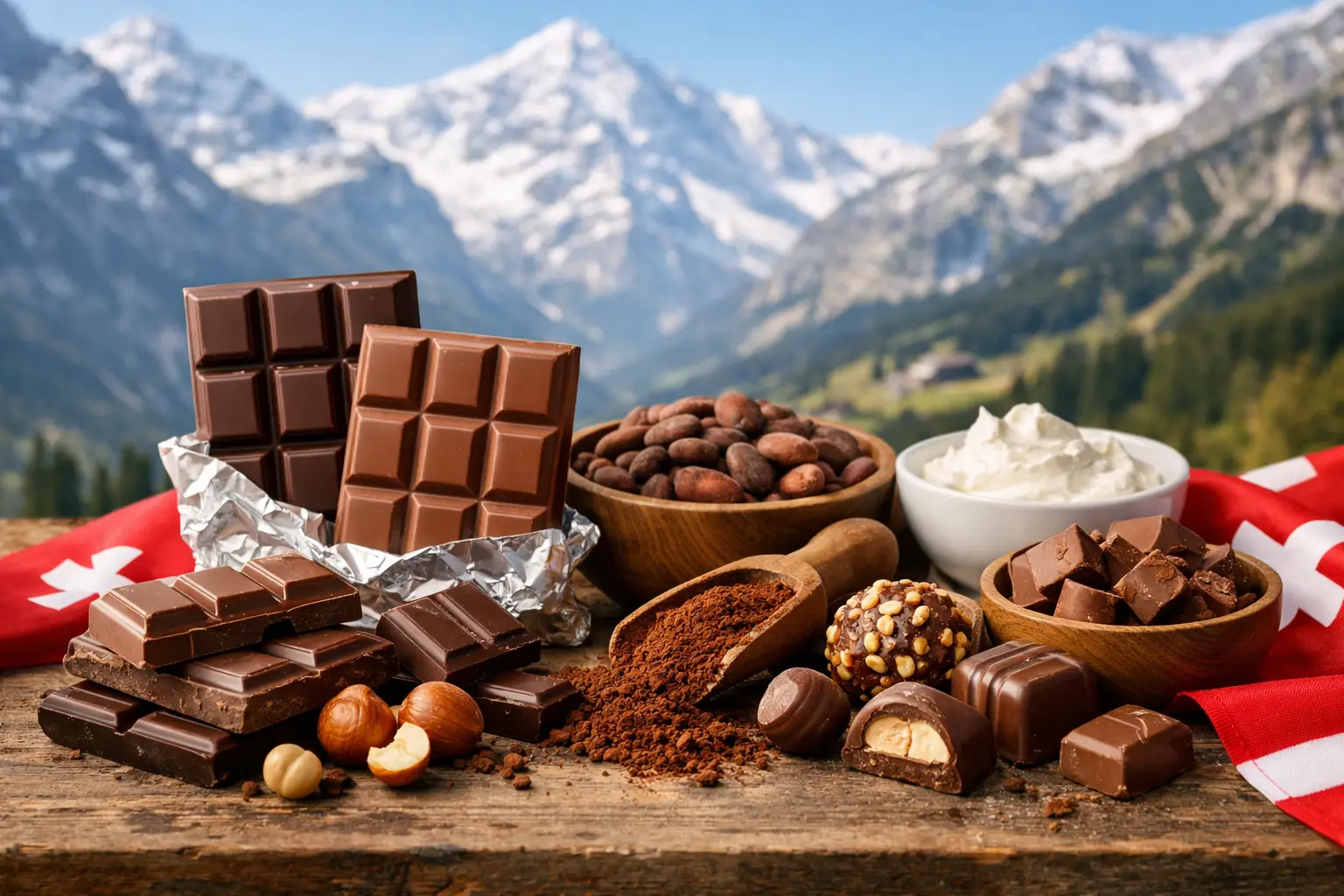
A smooth square of Swiss chocolate usually gives itself away before you even check the wrapper. The snap is clean, the melt is even, and the flavor feels polished rather than harsh or overly sweet. If you have ever wondered what makes Swiss chocolate different, the answer is not one single secret. It is a combination of ingredients, manufacturing standards, texture, and a long tradition of making chocolate that is designed to taste refined from the first bite to the last.
For shoppers outside Switzerland, that difference matters. Plenty of products borrow Swiss imagery, Alpine cues, or generic “Swiss-style” branding. Authentic Swiss-made chocolate stands apart because it is produced within a real chocolate-making culture that values consistency, milk quality, careful processing, and recognizable brand heritage.
What makes Swiss chocolate different in practice
The simplest answer is that Swiss chocolate is known for balance. It tends to be creamy without feeling greasy, sweet without becoming flat, and rich without turning heavy. That balance comes from both raw materials and technique.
Swiss chocolate makers built their reputation on producing chocolate with a notably smooth texture. This is where manufacturing matters just as much as recipe. Chocolate can contain similar core ingredients across countries, but the way those ingredients are refined, mixed, and developed changes the final result dramatically. With Swiss chocolate, the expected standard is a fine texture and a clean melt. Consumers often notice this immediately, even if they cannot name the process behind it.
There is also a strong connection between Swiss chocolate and milk chocolate in particular. Switzerland helped define the modern idea of premium milk chocolate, and many of its best-known bars still reflect that heritage. While dark and specialty varieties are widely available, Swiss milk chocolate remains one of the clearest examples of the national style.
The role of milk in Swiss chocolate
Milk is one of the biggest reasons Swiss chocolate tastes distinct. Switzerland has long been associated with high-quality dairy, and that heritage carries directly into chocolate production. In milk chocolate, the milk component is not just a background note. It shapes the softness, creaminess, and overall roundness of the flavor.
That does not mean every Swiss chocolate bar tastes the same. Some are lighter and sweeter, some have a more caramelized dairy note, and some lean richer and more cocoa-forward. Still, many authentic Swiss milk chocolates share a certain creamy finish that people associate with classic Swiss confectionery.
This is also where expectations can vary by market. If you are used to American chocolate, Swiss chocolate may taste less sugary or less waxy, with a smoother mouthfeel. If you usually buy European chocolate from different countries, Swiss versions may still stand out for their softness and polished texture. The difference is subtle in some bars and obvious in others, especially with established Swiss-made brands.
Conching and texture matter as much as ingredients
One of the most famous technical reasons behind Swiss chocolate’s reputation is conching. This is the process of mixing, aerating, and smoothing the chocolate mass over time to refine both texture and flavor. Swiss manufacturers did not invent chocolate itself, of course, but Swiss innovation played a major role in shaping the production methods that made modern fine chocolate smoother and more appealing.
Why does that matter to a shopper? Because texture is not a minor detail. It changes how chocolate releases flavor in the mouth. A smoother chocolate feels more luxurious and often tastes more balanced because the particles are finer and the blend is more integrated.
This does not mean every Swiss bar is automatically superior to every non-Swiss bar. There are excellent chocolates made in many countries. But when people describe Swiss chocolate as creamy, elegant, or exceptionally smooth, they are usually responding to the effects of careful refining and conching as much as to the ingredients themselves.
Swiss chocolate is shaped by tradition, but not stuck in it
Another answer to what makes Swiss chocolate different is consistency. Swiss chocolate has a long-established identity, and many Swiss brands have spent decades protecting it. That can sound old-fashioned, but for buyers it is often a benefit. When you choose a familiar Swiss-made chocolate, you are usually buying into a well-kept standard rather than a vague premium claim.
At the same time, Swiss chocolate is not limited to one style. Alongside classic milk bars, there are nut-filled tablets, pralines, darker cocoa profiles, wafer combinations, truffles, and seasonal gift formats. Some products feel traditional and nostalgic. Others are more modern in flavor pairing or packaging. What ties them together is usually a focus on finish, presentation, and dependable quality.
That reliability matters especially when you are ordering from abroad. You are not just buying chocolate as a category. You are often looking for a specific Swiss-made product you remember from travel, grew up with, or want to send as a gift. In that situation, authenticity is part of the product itself.
Swiss-made vs Swiss-style
This is where many international shoppers need to be careful. A product can look Swiss without being made in Switzerland. Packaging may use mountains, flags, cows, or Alpine references, but that does not guarantee Swiss origin.
If your goal is the real thing, the key difference is provenance. Authentic Swiss-made chocolate is produced in Switzerland and reflects the standards, recipes, and manufacturing practices associated with Swiss confectionery. Swiss-style chocolate, by contrast, may only imitate the image or flavor profile.
For gift buyers, expats, and travelers trying to replace a chocolate they enjoyed in Switzerland, that distinction matters more than marketing language. The wrapper design may look convincing, but the eating experience may not match. A curated specialist retailer is useful here because it reduces guesswork and makes it easier to buy genuine Swiss packaged chocolate rather than a substitute.
Flavor profile: refined rather than loud
Swiss chocolate is often less about extremes and more about control. You may notice less bitterness fighting with sweetness, less graininess, and fewer rough edges overall. The flavor tends to feel rounded and composed.
That does not mean every customer will prefer it automatically. Taste is personal. Some people want a very dark, aggressive cocoa style. Others prefer sweeter candy-like chocolate. Swiss chocolate often appeals to shoppers who want something premium but approachable, with a smooth profile that works well for everyday enjoyment, gifting, and sharing.
This is also why Swiss chocolate has broad international appeal. It is distinctive without being difficult. Whether you are buying a familiar milk bar, a filled chocolate assortment, or a boxed gift item, the style is usually easy to enjoy and easy to give.
Why packaging and brand recognition also matter
When people talk about Swiss chocolate, they are often talking about more than flavor alone. They are also responding to trust. Many Swiss chocolate products are sold in recognizable retail-ready formats that feel dependable, giftable, and clearly branded.
For international customers, that matters because packaged authenticity is part of the purchase decision. You want a product that travels well, stores well, and arrives as a genuine consumer-ready Swiss item. Shelf-stable chocolate from established Swiss brands fits that need far better than vague imported assortments with unclear origin.
In practical terms, this means the best buying decision is not always the most expensive bar or the darkest cocoa percentage. It depends on what you want. If you are buying for nostalgia, a classic Swiss milk chocolate may be the right choice. If you are gifting, presentation and brand recognition may matter more. If you prefer a richer taste, a darker Swiss variety or nut-based selection may suit you better.
What makes Swiss chocolate different when you shop online
When buying from outside Switzerland, the real difference often comes down to access. Authentic Swiss chocolate is easy to appreciate when you are standing in a Swiss supermarket. It is harder when local stores only carry a limited range or substitute products that are merely Swiss-inspired.
That is why curated access matters. A focused store such as Swissfood.store helps international customers find genuine Swiss-made packaged chocolate and other export-friendly Swiss grocery favorites in one place, without relying on broad marketplaces or uncertain product sourcing. For customers in the USA and other international markets, that makes the experience simpler and more trustworthy.
The best way to think about Swiss chocolate is this: its reputation comes from real product qualities, not just branding. Creamier milk notes, refined texture, careful processing, and dependable Swiss-made standards all play a part. But the final choice still depends on your taste, your memories, and whether you want the comfort of a familiar classic or the pleasure of trying something distinctly Swiss for the first time.
If you are choosing chocolate from abroad, look for authentic Swiss origin first. The difference usually starts there, and you can taste the rest.